Followers

This is where i write about health and importantance of nutrition of our food and how we fit our body through out the time. sit back and relax,and enjoy my take on health and on nutarition needs. THANK YOU FOR STOPPING BY . ~NIMRA~

The Best Workout for Women

Posted by nimra ali Saturday, 30 July 2011 0 comments

To me, one of the most important factors in health is that you are comfortable with your body (man or woman). In addition to that, you should have enough energy and health to be comfortable in your life. You should be able to move up and down stairs, move around work and the house, workout, eat foods you like, all without stress and fatigue

[A tape measurer isn't necessary when how you look puts a smile on your face. If you wake up in the morning with a smile on your face when you look at your body, you're there.]

A healthy head of hair is easy to spot. It's full, shiny and lustrous with no flakes, frizzies or other visible damage. But what about when your crowning glory isn't quite so glorious? In some cases, it might be a harbinger of health problems—or it could simply mean that you're spending too much time with the blow dryer.
 We've all heard horror stories of someone who, in the aftermath of some terribly traumatic event, woke up to find their formerly brown, red or blond hair turned shockingly white. Well, don't worry about it happening to you, because, according to Dr. Arielle Kauvar, a New York dermatologist, it simply can't happen. "The only way for hair to turn gray is a gradual decline in melanin production at the root," says Kauvar. "There is no biological event that can remove pigment directly from the hair shaft." However, a physical or emotional trauma can cause a change in the hair. The illness or stress sends actively growing hair into a resting phase, and a couple of months later, all those strands in the resting phase may fall out. So, if the dark hairs fall out and the already white ones remain, the result is hair that looks suddenly grayer.

air pollution

Air pollution can affect our health in many ways with both short-term and long-term effects. Different groups of individuals are affected by air pollution in different ways. Some individuals are much more sensitive to pollutants than are others. Young children and elderly people often suffer more from the effects of air pollution. People with health problems such as asthma, heart and lung disease may also suffer more when the air is polluted. The extent to which an individual is harmed by air pollution usually depends on the total exposure to the damaging chemicals, i.e., the duration of exposure and the concentration of the chemicals must be taken into account.

Examples of short-term effects include irritation to the eyes, nose and throat, and upper respiratory infections such as bronchitis and pneumonia. Other symptoms can include headaches, nausea, and allergic reactions. Short-term air pollution can aggravate the medical conditions of individuals with asthma and emphysema. In the great "Smog Disaster" in London in 1952, four thousand people died in a few days due to the high concentrations of pollution.

Long-term health effects
 can include chronic respiratory disease, lung cancer, heart disease, and even damage to the brain, nerves, liver, or kidneys. Continual exposure to air pollution affects the lungs of growing children and may aggravate or complicate medical conditions in the elderly. It is estimated that half a million people die prematurely every year in the United States as a result of smoking cigarettes.
Research into the health effects of air pollution is ongoing. Medical conditions arising from air pollution can be very expensive. Healthcare costs, lost productivity in the workplace, and human welfare impacts cost billions of dollars each year. die

Many people who don't take precautions have age spots on their skin, especially in places exposed to the sun much of the time, like legs. Excess exposure to the sun without sunscreen causes freckles and age and liver spots, so you should never go out on a sunny day without applying at least 15 SPF sunscreen, even in cold weather. Sunlight can reflect off snow and ice and burn your skin worse than the sun alone. There is an inexpensive and safe way to remove age spots with household ingredients.

Difficulty:
Moderately Easy

Instructions


Things You'll Need


  • Lemons
  • Sieve
  • Soft cloths
  • Sharp knife
  • Sugar
  • Apple cider vinegar

    • 1
      Cut two lemons in half and squeeze out the juice. If you have no juicer, shove a spoon into the lemons' flesh and turn it like a hand juicer; this yields plenty of juice. Strain out the pulp and seeds with a wire sieve and divide the juice into two equal amounts.
      .
    • 2
      Add about a tablespoon of apple cider vinegar to each amount of lemon juice. Set one aside and add enough sugar to the other to form a thin paste.
    • 3
      Scoop up some of the paste with your fingers and gently scrub it over your legs with your fingertips. The sugar exfoliates your skin, sloughing off dead cells and revealing new skin. The acid from the lemon juice and the apple cider vinegar soak into your skin and begin the fading process.
    • 4
      Wipe the paste from your legs and soak two soft cloths in the sugarless mixture. Make sure each cloth unfolds enough to cover the spotted area on each leg. Spread one cloth over each leg and let them sit for 10 minutes. This additional soaking will help the spots fade faster.
    • 5
      Rinse your legs and the cloths after 10 minutes. Repeat the process every day for about a month. Within two weeks, the spots should begin to fade. In two more, they should be almost invisble.

EVERYBODY wants to be healthy and fit, or at least reach a greater level of health and fitnes. To the next stage of fitness is one thing we need to all try to strive for, as there are a lot of advantages to a better fitness level. The reason there are lots of internet websites, ebooks and television programs with regards to fitness is the fact that a higher level of fitness is going to be of benefit for you and enable you to lead a healthier lifestyle.

SIMPLY DO IT YOURSELF A FITNESS TEST

Self testing is one of the best ways to know how fit you are. Being healthy is the best way to retain your fitness and even look young at times. Building muscles, increasing your fitness by working out daily, increasing your flexibility are certain things which every growing up girl or boy must do. It’s a world of competition and every one wants to look their best.
Teens must inform their parents about their interests in sports and fitness. If one is too conscious about their fitness, then they must make sure that they do things in order to retain that. Sports, athletics not only keeps your body fit but it also helps you to remain enthusiastic. Physical fitness comprises of several things like various types of sports, gymnastics and even yoga. They help in increasing lung capacity, maintaining body fat, flexibility and even your response. Therefore, you must maintain a proper diet.

SETRENGTH TRAINING

weight_liftingMany people are making weight lifting and working out part of their way of life. It has become a good alternative for those who would like to improve their physique and all around health. More often than not, men and women exercise to lose unwanted fat and gain lean muscle mass. Quite a few workout and exercise for relaxation as well as reducing stress. Although some people might not have the cash to get gym memberships and get the necessary pieces of equipment. They can use resistance bands to help them within their workout program. These bands are extremely versatile options to exercise routines that requires equipment. Furthermore, these kinds of bands tend to be inexpensive, convenient, and are simple to use. Resistance bands are popular in strength conditioning, as well as rehabilitation.
Resistance bands are hollowed out elastic tubes that are handy for various exercise routines. These bands provide constant resistance throughout every movement which makes it feel tougher. The tension provideds growth and development of muscle strength, speed and power. When used correctly, these types of bands can offer the right degree of tension without needing dumbells or even equipment. Additionally, these bands offer more variety of workout because it’s possible to create tension from numerous angles and may be adjusted to any size and shape of the body. Health and fitness professionals think that stabilizing the muscles correctly is important in muscle development.

BLOOD PRESSURE


    Your blood pressure directly affects your health and careful measuring with the right equipment is essential for accurate readings
    High Blood Pressure affects millions of people in the UK increasing the risk of stroke and heart attack. It has no symptoms.  The only way for you to know if you have low, normal or high blood pressure is to have it measured using an accurate blood pressure moniter.
    A recent study showed that people who measure their blood pressure at home have better control of their condition. It found that blood pressure was lower in people who had been checking their blood pressure at home.
    To understand more about what blood pressure is, what's normal and why it is important to lower high blood pressure read the full information on the high blood pressure page.  This site also contains information about low blood pressure .Blood pressure monitoring needs to give accurate readings if it is to be worthwhile.  You may have been advised to measure your blood pressure at home in order to get a more accurate record or your readings or just want to keep a check on your own blood pressure. On this site you can access a comprehensive fact sheet about how to messure blood pressure.

WHAT IS MENOPAUSE

Posted by nimra ali Wednesday, 27 July 2011 0 comments

all about menopause


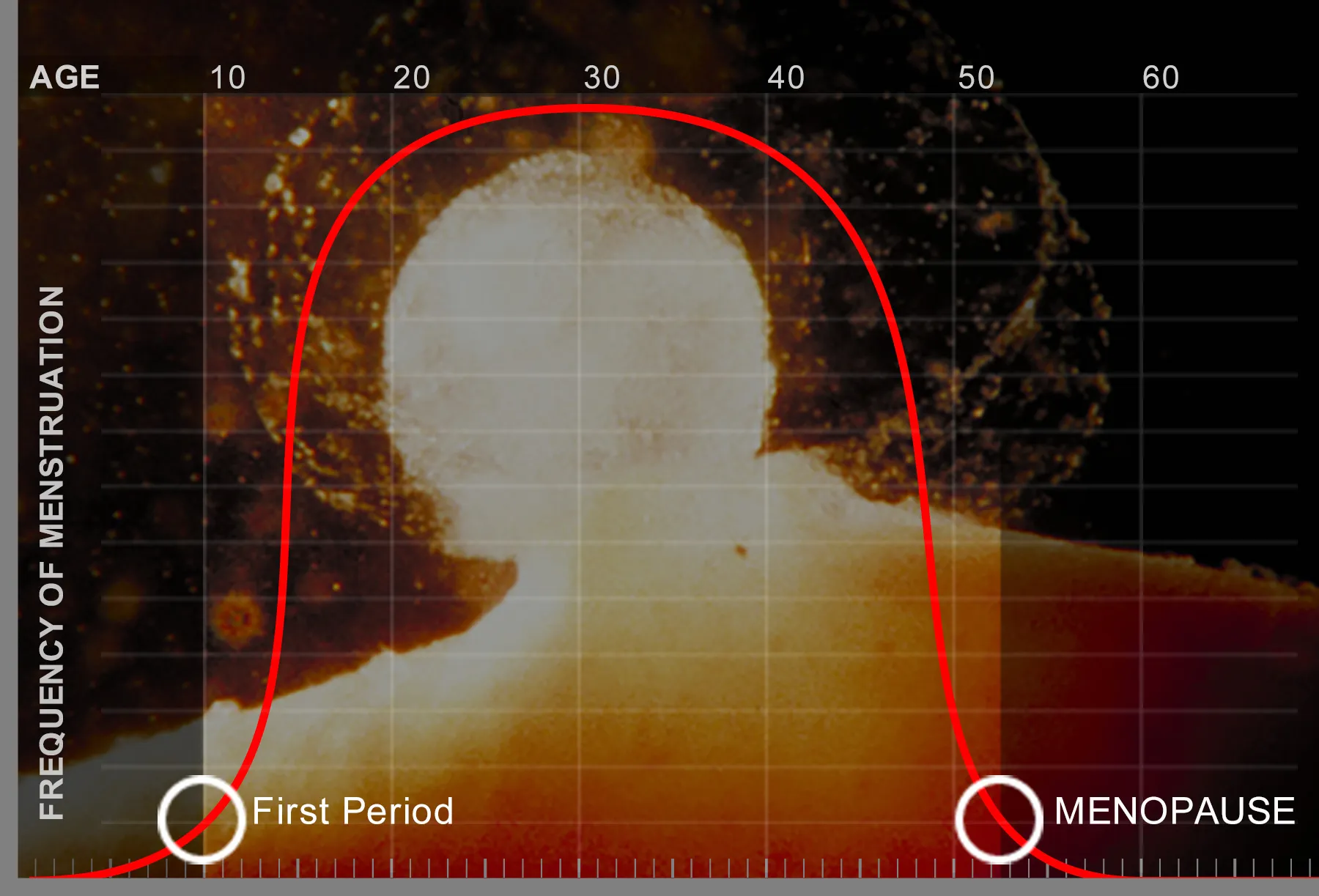
Every shmirshky you know is going to go through menopause someday. Basically, menopause is the tampon-free time time in a woman’s life. Sounds breezy, right? Who wouldn’t want to live without her period? Well, the transition from the tampon-wearing time in your life to the tampon-free time can get quite rocky and extremely challenging.

The Process Begins With Perimenopause:


PERIMENOPAUSE generally lasts from six to ten years, a time that is often filled with all sorts of not-so-fun symptoms that we typically associate with the word menopause (more on that below). Technically, perimenopause is not over until a shmirshky has not had her period for twelve months in a row. At that point, you hit what is often referred to as postmenopause. Unfortunately the term menopause is often used to describe the perimenopausal stage and/or the postmenopausal stage. This can get quite confusing, so I call the overall experience and time in our livesPM&M.The important thing to understand is that menopause, generally speaking, is a process, and each shmirshky’s experience is unique.
When Does Menopause Begin?


Perhaps the most common myth about menopause is that it doesn’t occur until you’re old. That is so NOT TRUE! Most shmirshkies first begin to experience perimenopause in their early to mid-forties. Some shmirshkies begin to have symptoms in their thirties, which can result in PREMETURE MENOPAUSE or early menopause. Keep in mind that these are relative terms. Every shmirshky is different, and there are many factors that contribute to a shmirshky’s menopausal timing, including genetics and medical and surgical history (shmirshkies who undergo a hysterectomy traditionally jump right into menopause).
Perimenopause Symptoms

There are many symptoms typically associated with perimenopause and menopause. Each shmirshky may experience one or many of these to different degrees. Some shmirshkies breeze through perimenopause with few symptoms, while others deal with a tremendous amount of challenges. It is so important  to keep track of your symptoms to help you effectively communicate with your doctor about how you feel. Here are some of the major perimenopause symptoms (commonly referred to as menopause symptoms) that a shmirshky might experience:
MENTAL/EMOTIONAL

memory lapses (sticky notes aplenty)
overly sensitive
uncontrollable crying
unusually depressed or withdrawn
overall sense that I’m not OK
tense (like a rubber band ready to snap)
overwhelmed
anxious
irritable
bursts of anger
violent
low sex drive
PHYSICAL
oddly dry skin
headaches/migraines
exhausted
hair loss
pms-like bloating
sore or ballooning breasts
increased chin whiskers
deepening voice
pimples galore
hot flashes or flushes
night drenches
sleepless nights
heart palpitations
weight gain (shrinking pants)
stiffness, aches, and pains
bladder issues
shmirshky infections
excessive shmirshky discharge
breakthrough shmirshky bleeding
dry shmirshky (sex hurts)
harder to reach orgasm

SWEET MORNING MUSIC

Posted by nimra ali 0 comments

 Sunlounger feat. Zara Taylor - Feels Like Heaven

HEALTH BENEFITS OF GUAVA

Posted by nimra ali 0 comments

The most common advice to keep one healthy and in top shape is to keep away from fatty foods and eat lots of fruits and vegetables. This piece of advice has really worked as magic in the lives of many. There are many types of fruits that offer great benefits to our bodies and guava is one of the most beneficial fruits that can’t be ignored.
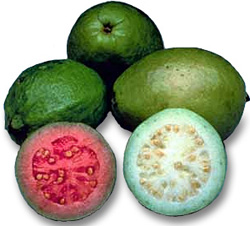
This somewhat pear shaped tropical fruit has a green rind, white or pinkish flesh and has small seeds. It is preferred by many people over orange because it has more Vitamin C and is a lot cheaper. The nutritional content of guava includes calcium, potassium, iron, folic acid, nicotinic acid, Vitamin A and B, Vitamin C and fiber. All these minerals and nutrients hold great value for the body.

Guava Health Benefits of Guava
Guava

GUAVA HEALTH BENEFITS

Constipation Relief:
 One of the benefits of guava is constipation relief. Since the fruit is rich in fiber, it works as a great laxative and helps forming bowels which cleans the excretory system and intestines making excretion perfect. It helps improve our digestion system.
Cough and Cold Fighter:
 This is another area that guava can take care of. If you have cold and cough it’s good to go for the raw guava. The iron and vitamin C content in guava helps prevent cold and keep viral infections at bay. The fruit also reduces mucus, loosens cough and acts as a respiratory track disinfectant.
Controlling High Blood Pressure:
 By reducing blood cholesterol, guava maintains blood fluidity thereby reducing blood pressure. Since guava is rich in fiber and hypoglycemic, it reduces blood pressure. Eating raw guava or its leaves is also a good way to deal with diarrhea and dysentery. The fruit has anti bacterial properties and it also works as a disinfectant.
Weight Loss:
 People looking to lose weight can eat this nutritious fruit to achieve their weight loss goals. Guava helps losing weight since it is high in roughage and rich in vitamins. It easily satisfies hunger and thus one can avoid eating too much after eating this fruit.
Give Shiny Skin:
 Guava improves skin; by using immature leaves and raw fruit on a decoction and washing the skin with it will give you a shiny skin. The astringents found in the fruit improve the skin texture and keep skin problems away.
Prevention of Cancer:
 Since guava has lycopene antioxidant, it helps prevent prostate cancer.. The antioxidant inhibits breast cancer cells growth as well suppressing the tumors. It is therefore important to increase guava fruit intake.
Guava Helps Treat Acne:
You must have noticed guava as an important ingredient in many skin care products. It is because it not only possesses anti-aging properties but also deals well with acne and other skin issues.
Guava battles Diabetes:
Guava fruit and also its leaves are used for treating type 2 diabetes. It helps diabetic patient by lowering blood glucose levels.
Guava Helps Avoid Scurvy:
 Since the fruit outperforms many other fruits when it comes to Vitamin C concentration, therefore it is a good remedy for scurvy normally caused by the lack of this Vitamin.
Other Health Benefits:
This tropical fruit is also a wonderful remedy for prolonged menstruation, poor blood circulation, congested lungs, asthama , acidosis as well as catarrh.
Guava has proved to be a very essential and beneficial fruit for human body thus should never be overlooked. Unlike the common perception about guava, it provides more health benefits as compared to other famed fruits, thus increasing its intake will keep you healthier and thus you can enjoy a much happier life.

The Best Time Of The Day To Walk

Posted by nimra ali Monday, 25 July 2011 0 comments


Research on lung function, body rhythms, temperature, and hormone levels says one thing -- to exercise around 6 p.m.
Surveys on exercise habits say another -- to exercise in the morning before other commitments distract you, or during the day when you have a free period of time. Let's explore the pros and cons of when to exercise.
Pros: • The majority of people who exercise consistently do so early in the day. It is easier to form the exercise habit through morning exercise.
• Fewer distractions and schedule interruptions.
• Can make time for exercise by getting up a bit earlier.
• Raises your heart rate and metabolism to burn more calories earlier in the day.
• Gives a feeling of physical energy for hours.
• Improves your mental acuity for hours.
• Cooler temperatures in summer.
• Lowest air pollution levels in the morning.
• Body adjusts to your exercise time, so if you are training for a morning walking event, train in the morning.

Cons: • Body temperature is at its lowest 1 to 3 hours before awakening, making morning a time of naturally lower energy and blood flow.
• Cold, stiff muscles may be more prone to injury. Be sure to warm up well before doing a higher speed workout, and do gentle stretching.
• If you do not enjoy morning exercise, you won't easily form a walking habit by choosing a morning workout time.
• Because body temperature and hormones are higher in late afternoon, you probably get the same or better calorie-burning effects later in the day.

Child Care

Posted by nimra ali Sunday, 24 July 2011 0 comments

Childcare Choices for Your Baby


MUSIC OF SOUL

Posted by nimra ali 0 comments

Karunesh - Punjab!

ENIGMA GRAVITY OF LOVE

Posted by nimra ali 0 comments

Enigma 's Metamorphosis

Posted by nimra ali 0 comments

GRAPE JUICE

Posted by nimra ali 0 comments

Grape juice

Grape juice is very refreshing juice drink . For you lovers of grape, Grape Juice can be a proper alternative to fill the days with lover or enjoy yourself at home.


Ingredients of Grape Juice :
  • 1 bunch of white, black or red grapes (washed and stems less)
Preparation
Pass the washed grapes through the juice extractor. Serve and consume. Drinking grape juice helps purifying the body and expelling intoxicating elements. Its curative juice can be successfully used in diseases such as: paleness, neurasthenia, weakness, anemic states, kidney diseases, intestinal problems, it purifies the blood and it enriches the circulatory system.


Nutrition Facts and Health Benefits Of Grapes
Botanically called as 'true berries', a berry is a fruit that is produced chiefly from a single ovary. It contains no stones or pits, though one may find many seeds, like in tomatoes. Hundreds of medial studies have established the fact that consuming grapes in our diet has several health benefits. Grapes are a store house of phytonutrients called polyphenols that include flavonoids, phenolic acids, and resveratrol. These three polyphenols constitute a major part of grape skin, stem and seeds. Products manufactured from grapes are also very beneficial for human health.


Nutritional Facts about Grapes: An OverviewLike most berries, nutritious values of grapes is very high. No matter you enjoy these fruits as fruit salad with peach, pear or apricot or you eat them in the form of raisin and currants, grapes are ideal fruits for the young and the old, alike. Some important nutrition facts about grapes are as follows.


  • Important vitamins such as vitamin A, B1, B2, B6 and C6 are found in grapes.
  • Grapes also contain acids such as tartaric acids, malic acids, succinic, fumaric, glyceric, p-coumaric and caffeic acids.
  • Beta-carotene, lycopene, ellagic acid, resveratrol and other sulphur compounds are found in grape skins.
  • Grapes have important anti-oxidants such as anthocyanins, flavones, geraniol, linalol, nerol and tannins.
  • Grapes contain all the necessary minerals such as calcium, chlorine, copper, fluorine, iron, magnesium, manganese, phosphorus, potassium, silicon and sulfur.
Health Benefits of Grapes:

  • Potassium and sodium are important stimulators for the nervous system. Grape juice provides us with these necessary minerals.


  • Phosphorus helps in the formation of genes, as it is a part of nucleic acids; grapes are a good source of phosphorus.


  • Grapes have small amounts of protein and dietary fibers that facilitates quick digestion.


  • Grapes contain vitamin K and vitamin E which helps in blood clotting and so grapes can be called as anti-coagulants.


  • The antioxidants such as anthocyanins, flavones, geraniol, linalol, nerol and tannins are the ones responsible for protecting the body against cancer.


  • Vitamin B helps in controlling metabolism rates and grapes are the best source for it.


  • Folate found in grapes is important during the pregnancy period.


  • The dry forms of grapes contain large amounts of boron which is necessary for bones. It also helps fight tooth and gum decay.


  • Vitamin A together with flavonol compounds helps fight night blindness and other eye related problems.


  • Grape juice reduces fever. It also helps in fighting fatigue and provides energy to the body.


  • Acne and skin related problems are cured or decreased with grape juice consumption as it contains vitamin C.


  • Rheumatism, gout, asthma, etc. can be controlled and relieved using grapes, as they contain anti-inflammatory agents.


  • Grapes act as a good cleanser, thereby eliminating kidney stones and improving the flows of bile and urine


  • It's also effective in curing problems related to migraine and headache.


  • Its abundance in minerals helps to detoxify the liver and strengthens the digestive system.


  • The risk of atherosclerosis is lessened by including grapes in our diet.


  • Grapes increase the moisture in the lungs and help in subduing asthma.


  • A form of true berries, Concorde grape juice helps shrink mammary tumors.


  • Resveratrol, an important constituent of red wines, helps in the treatment of Alzheimer's disease. Grapes help fight neurodegenerative diseases.


  • With so many benefits, it's hard to exclude grapes from our diet list. Grapes are consumed as a raw fruit and also used for making edibles such as jelly, jam, juices, vinegar, raisins and edible oil. Dried grapes are also called raisins, sultanas or currants. So the next time you visit a vendor, don't forget to pick up those small berries, ready to provide you some everlasting health and an admirably fit body.


    >.

    TEEN FITNESS

    Posted by nimra ali 0 comments

    THE HUMAN ODYSSEY

    Posted by nimra ali 0 comments

    Which stage of life is the most important?   Some might claim that infancy is the key stage, when a baby’s brain is wide open to new experiences that will influence all the rest of its later life. Others might argue that it’s adolescence or young adulthood, when physical health is at its peak.  Many cultures around the world value late adulthood more than any other, arguing that it is at this stage that the human being has finally acquired the wisdom necessary to guide others.  Who is right?  The truth of the matter is that every stage of life is equally significant and necessary for the welfare of humanity.  In my book The Human Odyssey: Navigating the Twelve Stages of Life, I’ve written that each stage of life has its own unique “gift” to contribute to the world.  We need to value each one of these gifts if we are to truly support the deepest needs of human life.  Here are the twelve gifts of the human life cycle:

    1.      Prebirth:  Potential – The child who has not yet been born could become anything – a Michaelangelo, a Shakespeare, a Martin Luther King – and thus holds for all of humanity the principle of what we all may yet become in our lives
    2.      Birth:  Hope – When a child is born, it instills in its parents and other caregivers a sense of optimism; a sense that this new life may bring something new and special into the world.  Hence, the newborn represents the sense of hope that we all nourish inside of ourselves to make the world a better place.

    3.  Infancy (Ages 0-3):   Vitality – The infant is a vibrant and seemingly unlimited source of energy.  Babies thus represent the inner dynamo of humanity, ever fueling the fires of the human life cycle with new channels of psychic power.
    4.      Early Childhood (Ages 3-6):  Playfulness – When young children play, they recreate the world anew.  They take what is and combine it with the what is possible to fashion events that have never been seen before in the history of the world.  As such, they embody the principle of innovation and transformation that underlies every single creative act that has occurred in the course of civilization.
    5.      Middle Childhood (Ages 6-8):  Imagination – In middle childhoood, the sense of an inner subjective self develops for the first time, and this self is alive with images taken in from the outer world, and brought up from the depths of the unconscious.  This imagination serves as a source of creative inspiration in later life for artists, writers, scientists, and anyone else who finds their days and nights enriched for having nurtured a deep inner life.


    6.      Late Childhood (Ages 9-11):  Ingenuity – Older children have acquired a wide range of social and technical skills that enable them to come up with marvelous strategies and inventive solutions for dealing with the increasing pressures that society places on them.  This principle of ingenuity lives on in that part of ourselves that ever seeks new ways to solve practical problems and cope with everyday responsibilities.
    7.      Adolescence (Ages 12-20):  Passion -  The biological event of puberty unleashes a powerful set of changes in the adolescent body that reflect themselves in a teenager’s sexual, emotional, cultural, and/or spiritual passion.  Adolescence passion thus represents a significant touchstone for anyone who is seeking to reconnect with their deepest inner zeal for life.
    8.      Early Adulthood (Ages 20-35):  Enterprise –  It takes enterprise for young adults to accomplish their many responsibilities, including finding a home and mate, establishing a family or circle of friends, and/or getting a good job.  This principle of enterprise thus serves us at any stage of life when we need to go out into the world and make our mark.
    9.      Midlife (Ages 35-50):  Contemplation – After many years in young adulthood of following society’s scripts for creating a life, people in midlife often take a break from worldly responsibilities to reflect upon the deeper meaning of their lives, the better to forge ahead with new understanding.  This element of contemplation represents an important resource that we can all draw upon to deepen and enrich our lives at any age.
    10.  Mature Adulthood (Ages 50-80): Benevolence – Those in mature adulthood have raised families, established themselves in their work life, and become contributors to the betterment of society through volunteerism, mentorships, and other forms of philanthropy.  All of humanity benefits from their benevolence.  Moreover, we all can learn from their example to give more of ourselves to others.
    11.  Late Adulthood (Age 80+):  Wisdom – Those with long lives have acquired a rich repository of experiences that they can use to help guide others.  Elders thus represent the source of wisdom that exists in each of us, helping us to avoid the mistakes of the past while reaping the benefits of life’s lessons.
    12.  Death & Dying:  Life – Those in our lives who are dying, or who have died, teach us about the value of living.  They remind us not to take our lives for granted, but to live each moment of life to its fullest, and to remember that our own small lives form of a part of a greater whole.
                Since each stage of life has its own unique gift to give to humanity, we need to do whatever we can to support each stage, and to protect each stage from attempts to suppress its individual contribution to the human life cycle.  Thus, we need to be wary, for example, of attempts to thwart a young child’s need to play through the establishment high-pressure formal academic preschools.  We should protect the wisdom of aged from elder abuse.  We need to do what we can to help our adolescents at risk.  We need to advocate for prenatal education and services for poor mothers, and support safe and healthy birthing methods in third world countries. We ought to take the same attitude toward nurturing the human life cycle as we do toward saving the environment from global warming and industrial pollutants.  For by supporting each stage of the human life cycle, we will help to ensure that all of its members are given care and helped to blossom to their fullest degree.

    Kidz health

    Posted by nimra ali 0 comments

    Fit Kidz-Training and Nutrition for Healthy Maine Kids